
Four ways in
Tools and teachings for living in a body.
Compare body tools, traditional maps, and practical care before you buy the object or believe the story.
Start with the body. Check the source. Spend last.


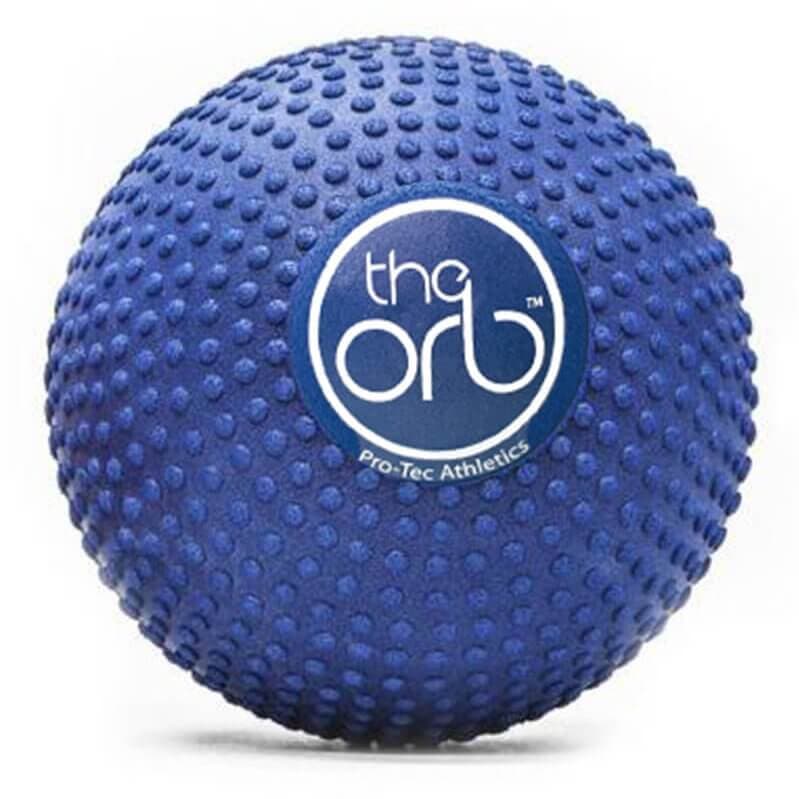
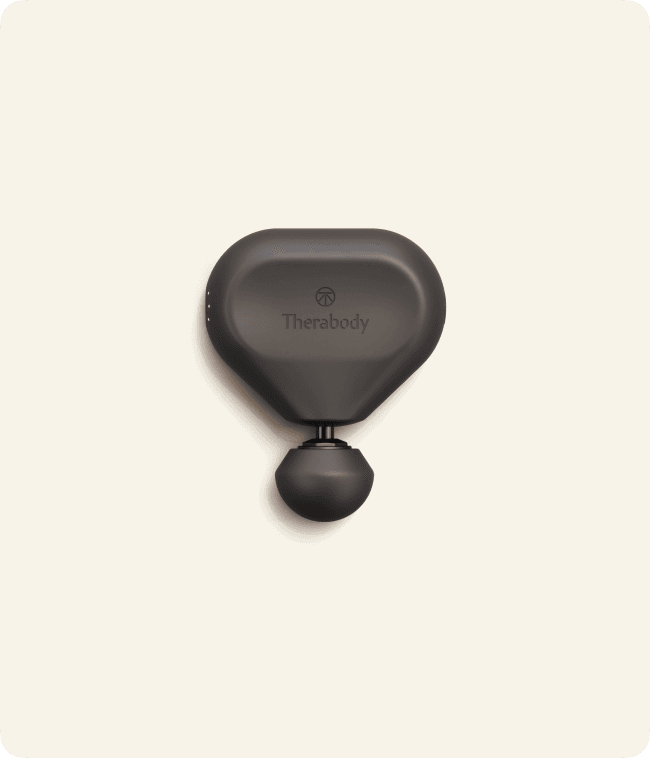


Movement Materials
Self-massage tools, footwear, rollers, bands, and small objects compared by pressure, fit, body area, and cost.
Self Care Atlas
Guides for recovery, breath, sleep, soreness, and adaptation, written for everyday decisions.
Yogic Notions
Yogic maps, practices, and traditional images treated as teaching material, not anatomy.
Meridian Arts
Acupuncture, moxa, gua sha, qigong, and channel maps with source notes, cautions, and context.
Four ways in
Choose by the job, not the brand story.
A massage ball, a breath practice, and a meridian chart are not the same kind of thing. WBC keeps them on separate shelves.
Movement Materials
Compare the object before the pitch.
Pressure, fit, price, body area, and whether a simpler tool is enough.
Self Care Atlas
Practical guides before protocols.
Recovery, sleep, breath, soreness, and adaptation with sources attached.
Yogic Notions
Traditional maps as teachings.
Practice language, traditional images, and texts without flattening them into modern anatomy.
Meridian Arts
Channel maps beside practical care.
Practice traditions, tools, and safety context in one place.
How it helps
Use first, explanation second, purchase last.
Start with a felt problem or practical choice, then look at the source, the tradeoff, and the stopping point.
Name the job.
What are you trying to compare, feel, adapt to, or understand?
Find the smallest useful move.
Tool, guide, map, or practice: it should earn attention before money.
Keep receipts nearby.
Studies, traditional images, field notes, and lived response stay attached to the claim.
Yogic Notions
Traditional images as teaching material.
Yogic maps can be useful without pretending to be anatomy. Keep the practice language, image, and source in view.
Product
The object
Use case, pressure, price, and reasons not to buy.
Topic
The body question
What sensation, habit, movement, or constraint is this really about?
Source
The source
Study, tradition, field note, or practitioner pattern. Different source, different confidence.
Limit
The stopping point
When to use less, buy nothing, slow down, or get help.
Field plate
For pressure, location, and risk, words are not enough.
A plate shows where the tool touches, what is known, what is guessed, and where to stop.
Known
What the tool or practice actually contacts.
Unclear
Where dose, transfer, or evidence gets thin.
Decide
The fit question before buying.
Limit
When this becomes care, not shopping.
Field plate
Tool contact / decision map
Use it to separate contact, guesswork, and the buying decision.
not diagnosis · not proof
Movement Materials
Object first, purchase second.
Compare pressure, surface, fit, cost, and body area before buying another recovery gadget.
Compare
Contact patch, pressure, material, target area, price, and maintenance.
Prefer
The simplest useful object when the expensive tool does not add much.
Avoid
Claims that a passive tool replaces sleep, loading, rehab, or care.