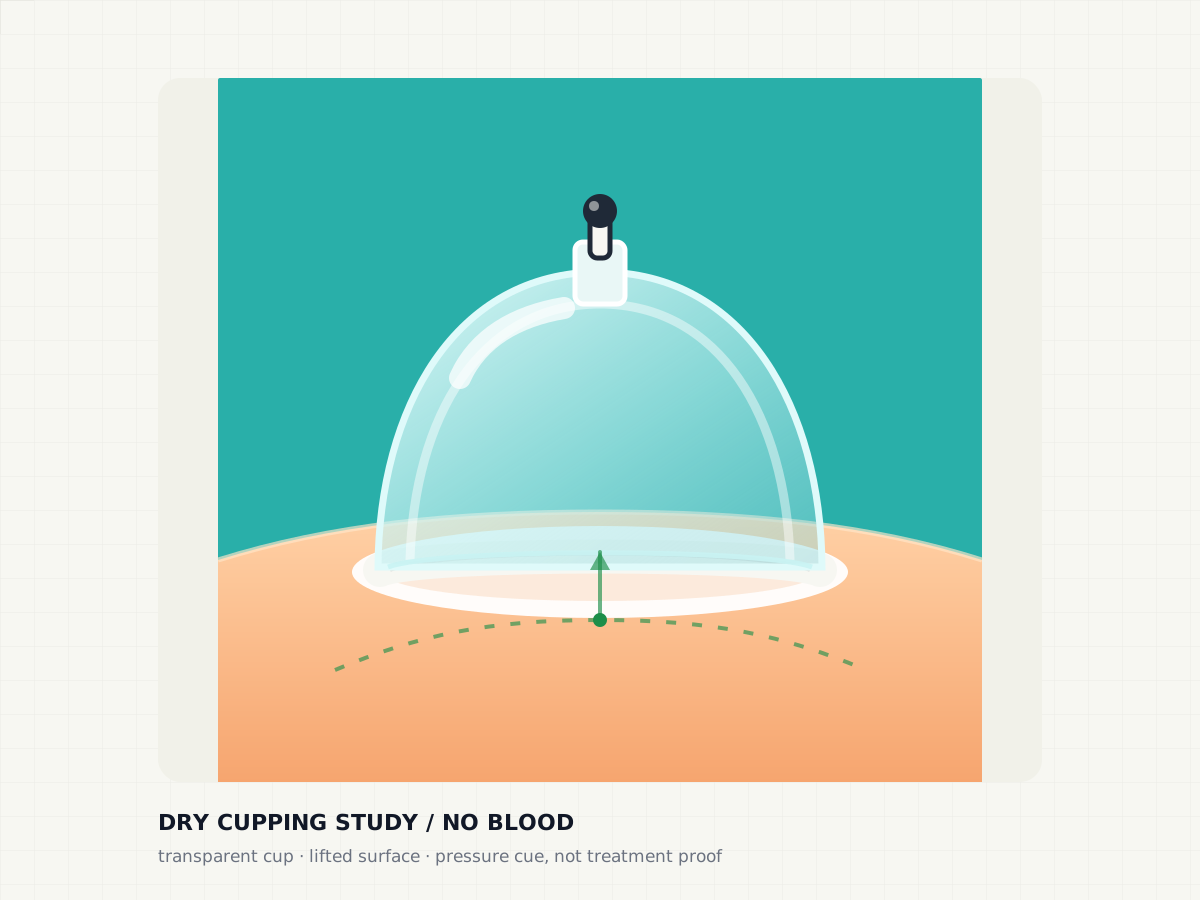
A dry-cupping visual language
The useful diagram is cup, rim, skin surface, and lift. Blood, cuts, fire, and dramatic marks stay out of the consumer guide.

A decompressive bodywork tool for fascia, circulation, sensory input, and self-maintenance — useful for some people, easy to overstate, and best framed as a gentle practice rather than a cure.
Cupping belongs in Movement Materials because it is a physical interface with the body: a cup, suction, skin, tissue, sensation, and dose. The best public guidance stays practical, cautious, and clear about what the evidence can and cannot say.

The useful diagram is cup, rim, skin surface, and lift. Blood, cuts, fire, and dramatic marks stay out of the consumer guide.
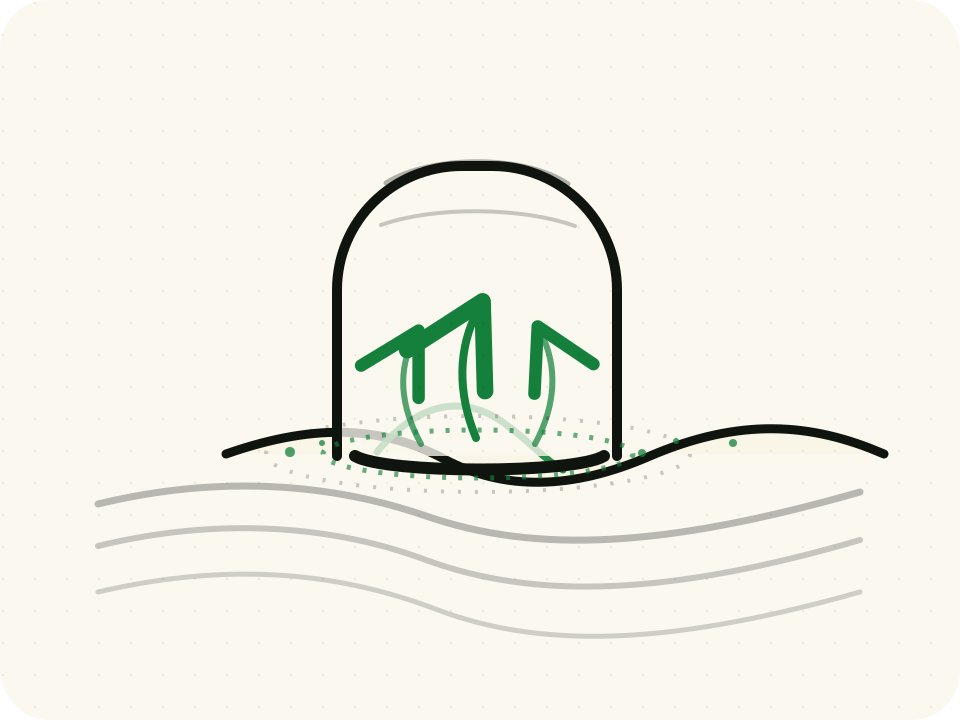
The visual model is lift, tissue glide, local sensation, and dose — not detox, proof-by-bruising, or forceful tissue change.
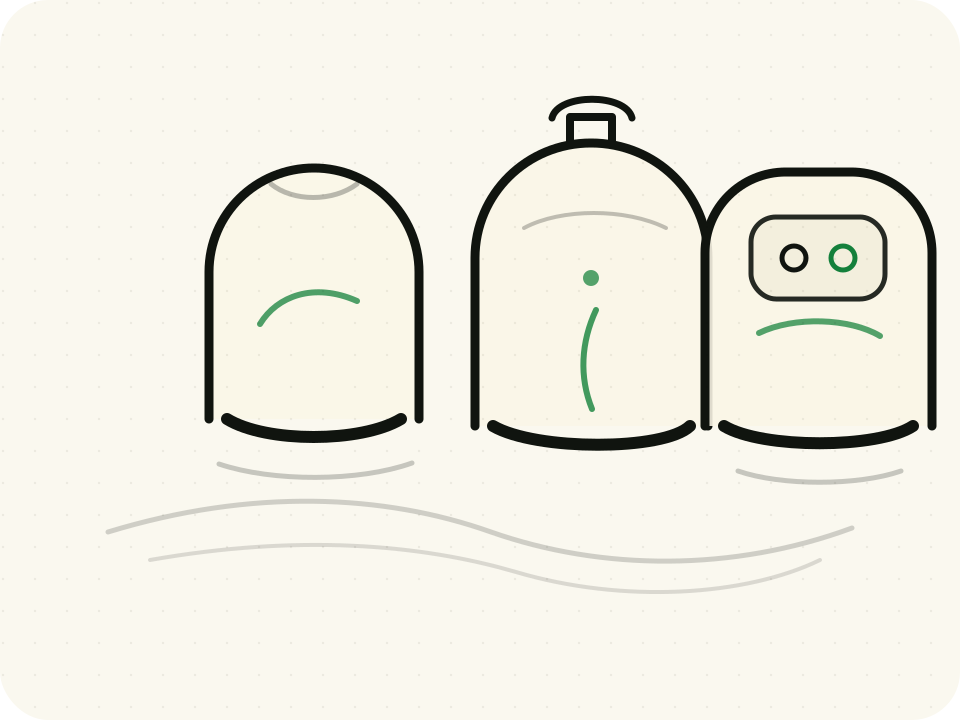
Simple cups, pump cups, and powered devices should be compared by controllability, cleaning, and instructions before any extra feature gets credit.
The public page stays source-first and diagram-led. These custom SVG/source-style plates make the sequence legible: the object, the pressure gradient, the mark boundary, and the tissue layers underneath.
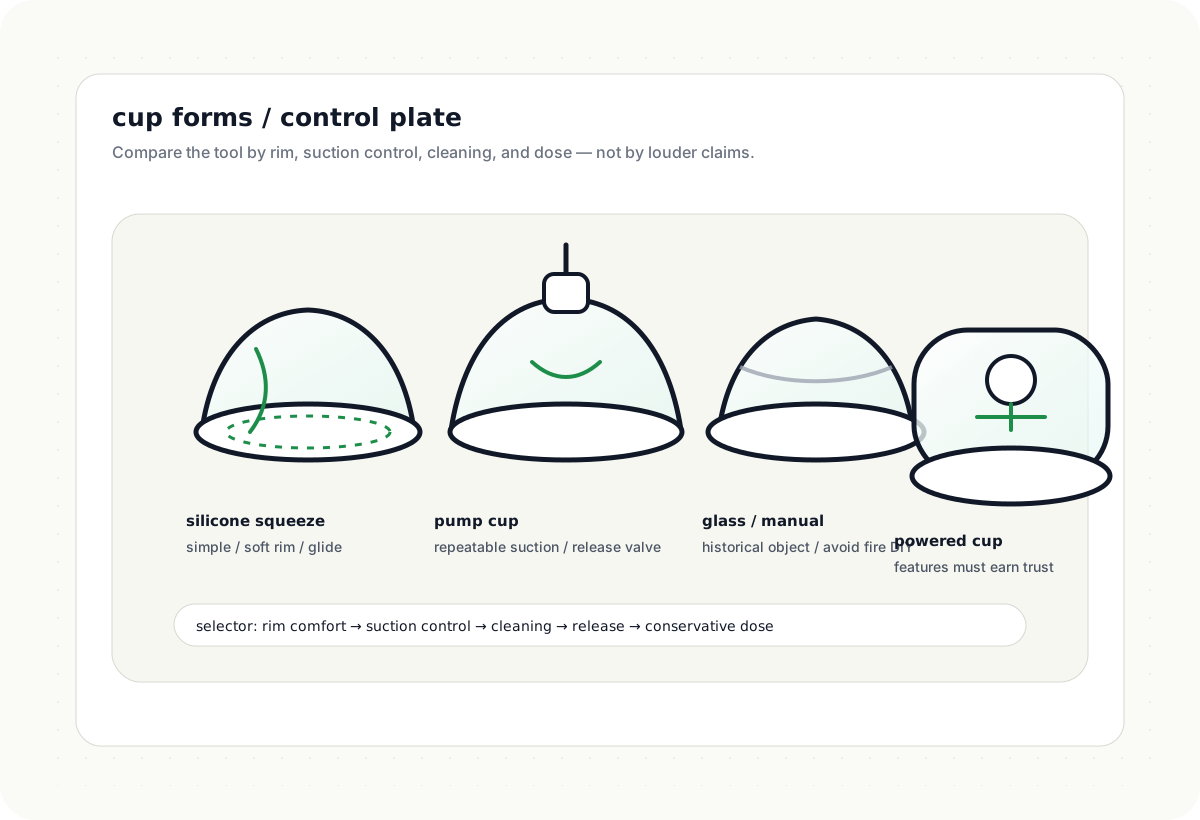
Cup shape, rim comfort, suction control, cleaning, and release matter more than extra features or louder claims.
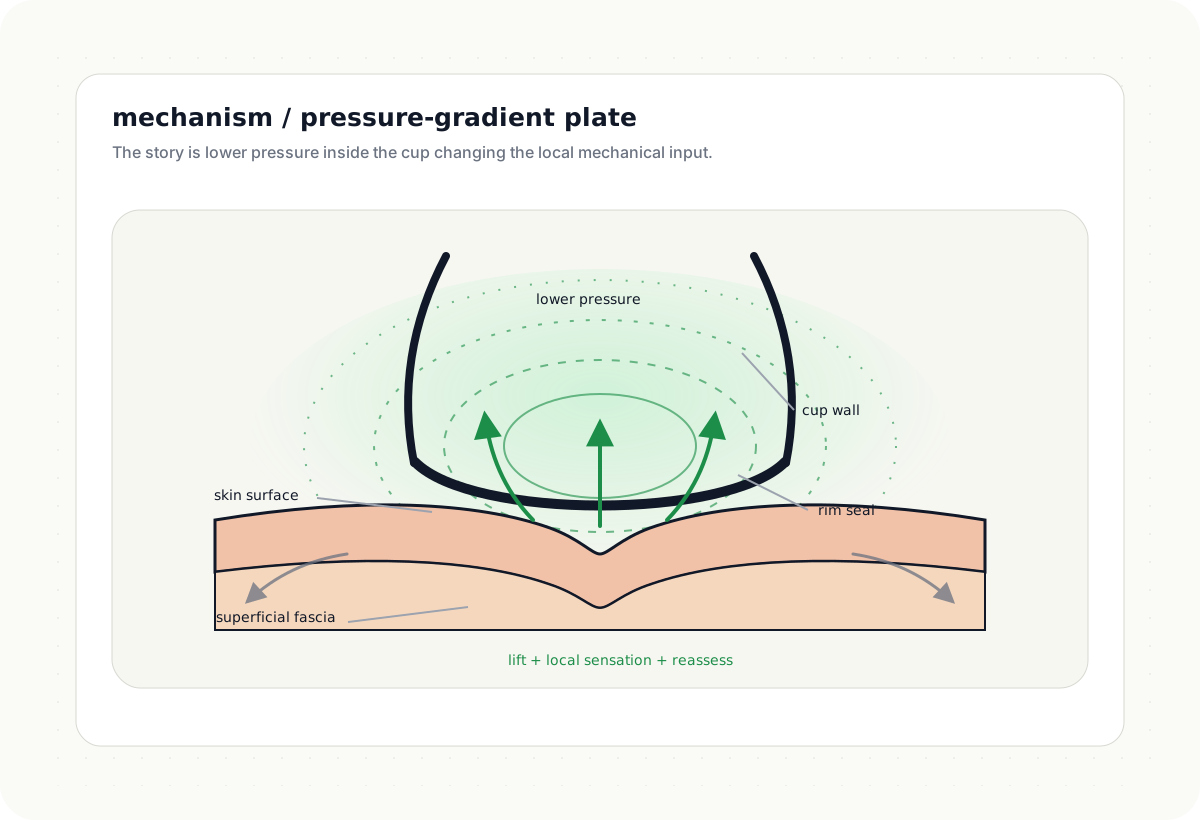
The core visual story is lower pressure inside the cup, local tissue lift, sensation, and reassessment.
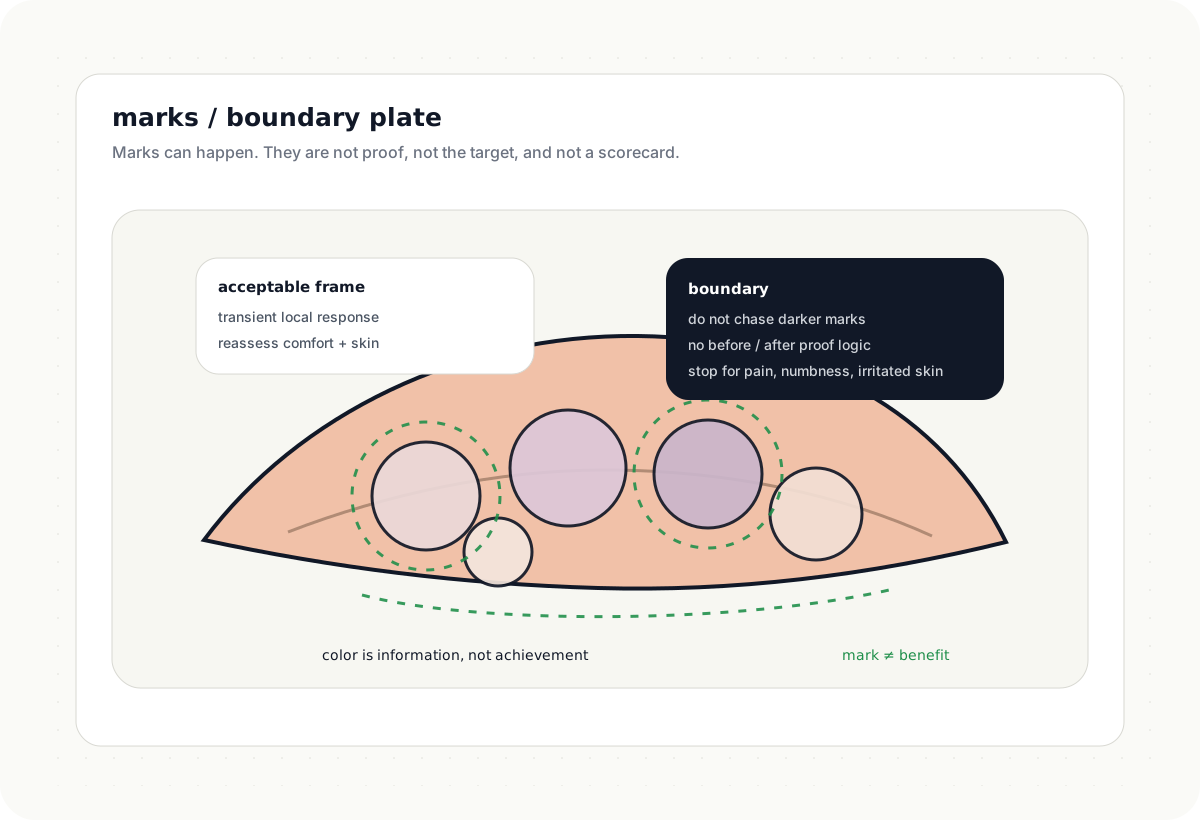
Transient color can happen, but darker marks are not a better result. This keeps the page away from proof-by-bruising.
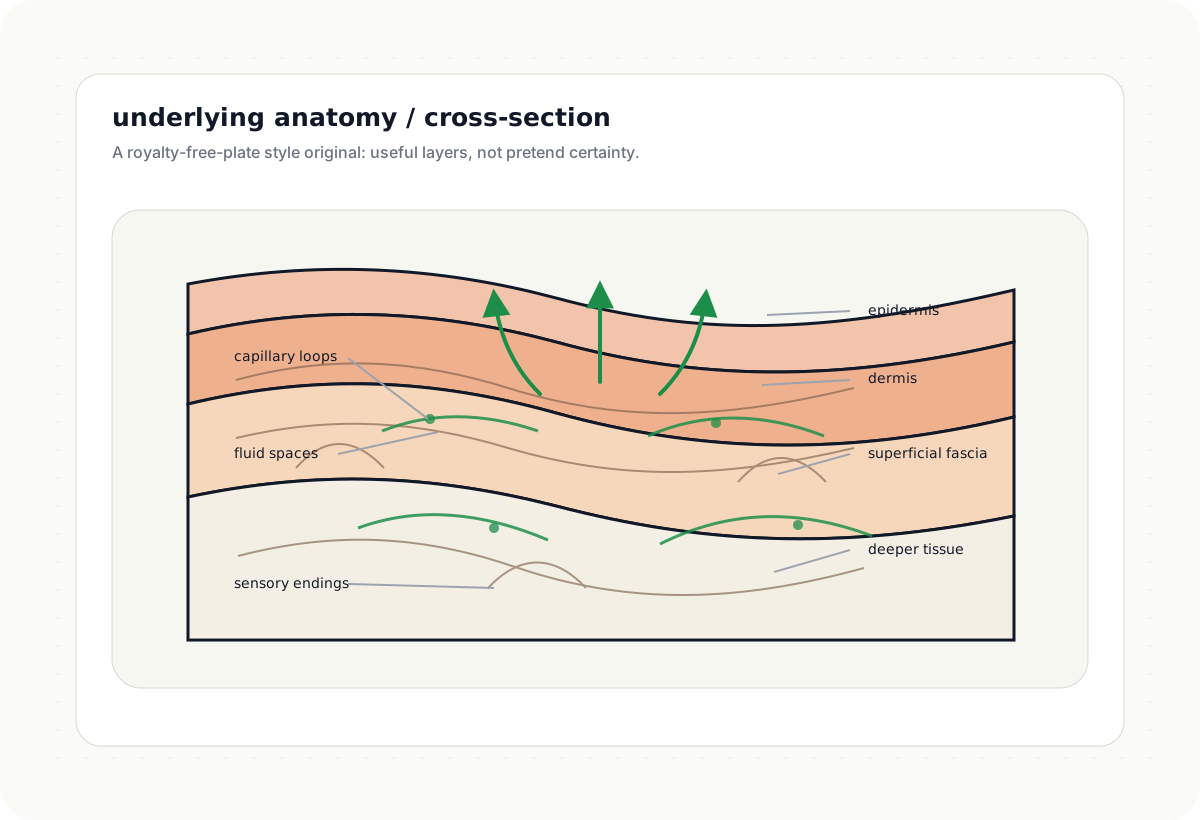
A royalty-free-cross-section-style original for skin, dermis, superficial fascia, fluid spaces, capillaries, and sensory endings.
Most self-care tools press, roll, vibrate, or stretch. Cupping is different because it lifts. That makes it interesting for sensory mapping, short-term comfort, and exploring how a region responds to decompression.
The evidence is most reasonable when the claim is modest: cupping may help some people with short-term pain or perceived stiffness, but sham-controlled evidence is mixed and protocols vary widely. It should not be presented as a cure or a detox method.
Good consumer guidance should favor controllable suction, easy cleaning, conservative session lengths, clear contraindications, and instructions that do not glorify pain or bruising.
Cupping is visually tempting because marks are dramatic, but the useful anatomy is quieter: skin, superficial fascia, interstitial fluid spaces, local circulation, sensation, dose, and the decision to stop before chasing intensity.
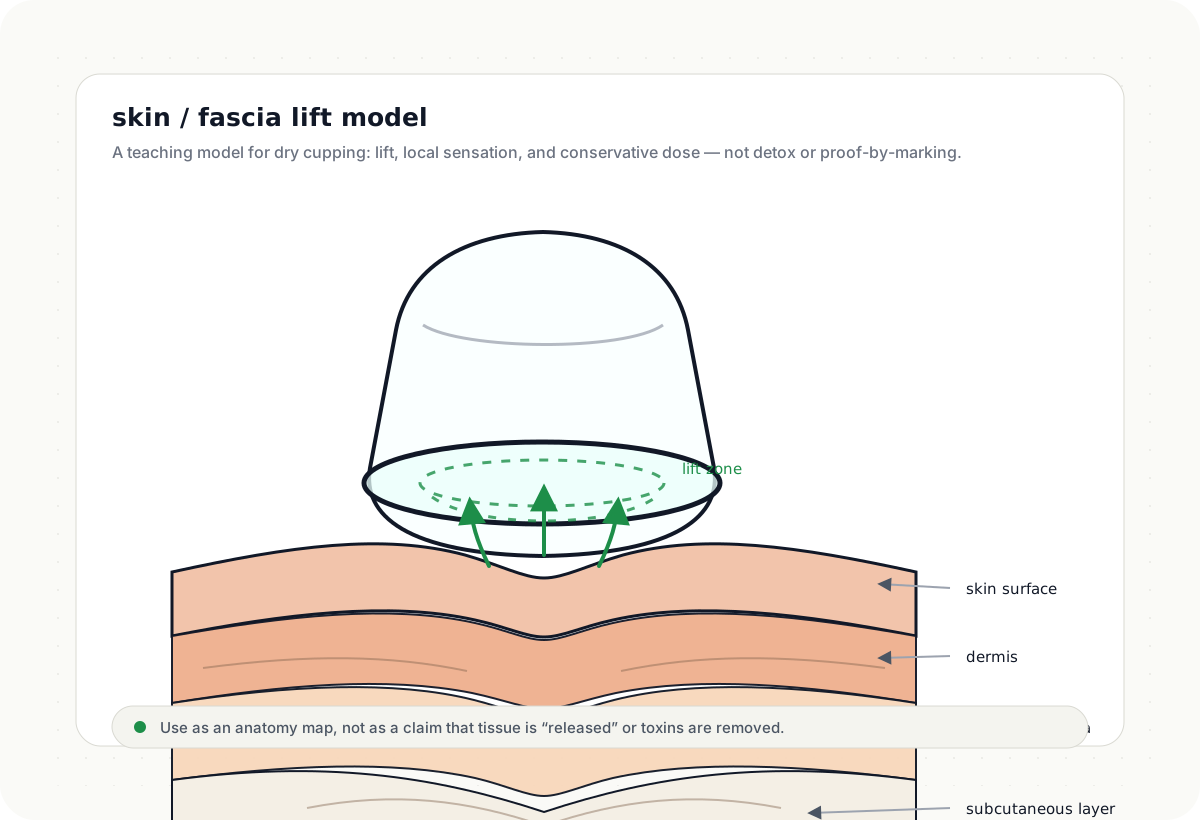
A cross-section view of the cup rim, lifted skin, dermis, superficial fascia, and subcutaneous layer. It keeps the mechanism concrete without claiming a tissue release.
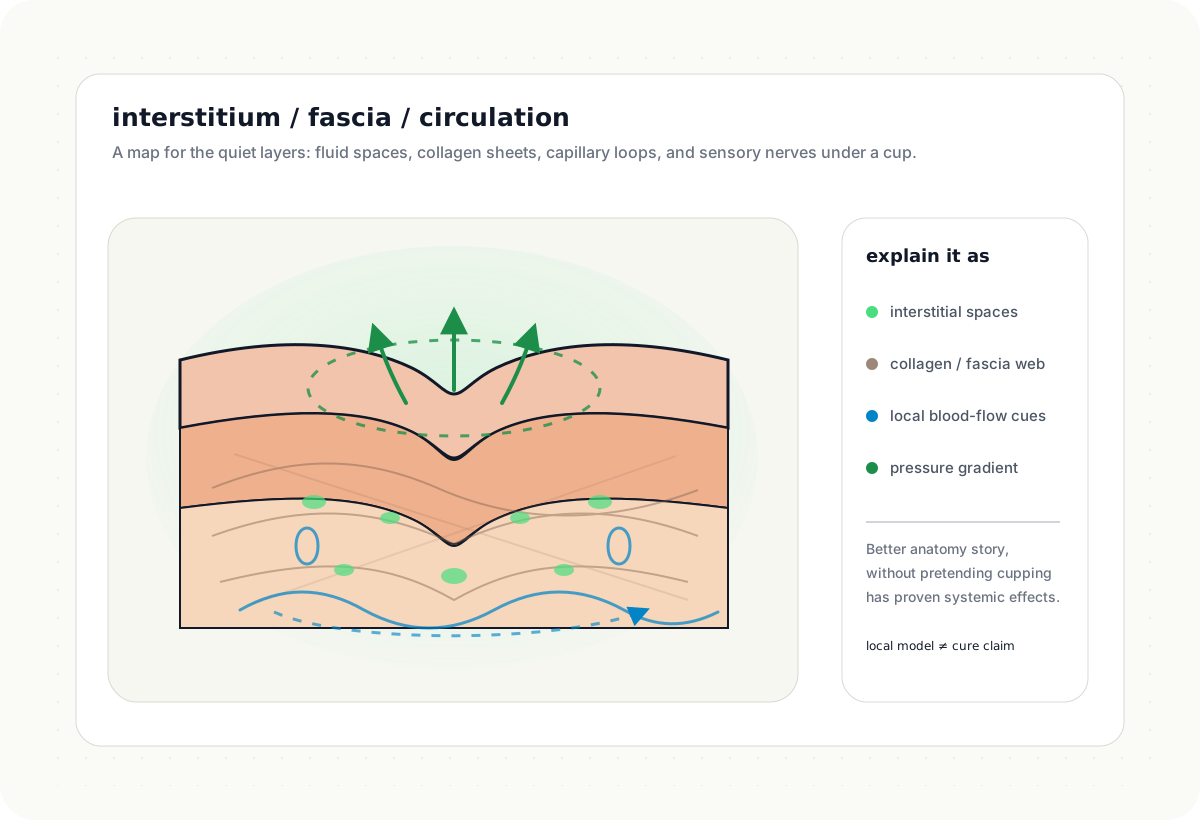
A claim-safe map of interstitial spaces, collagen/fascial webbing, capillary loops, and pressure gradients — useful anatomy without turning cupping into a detox story.
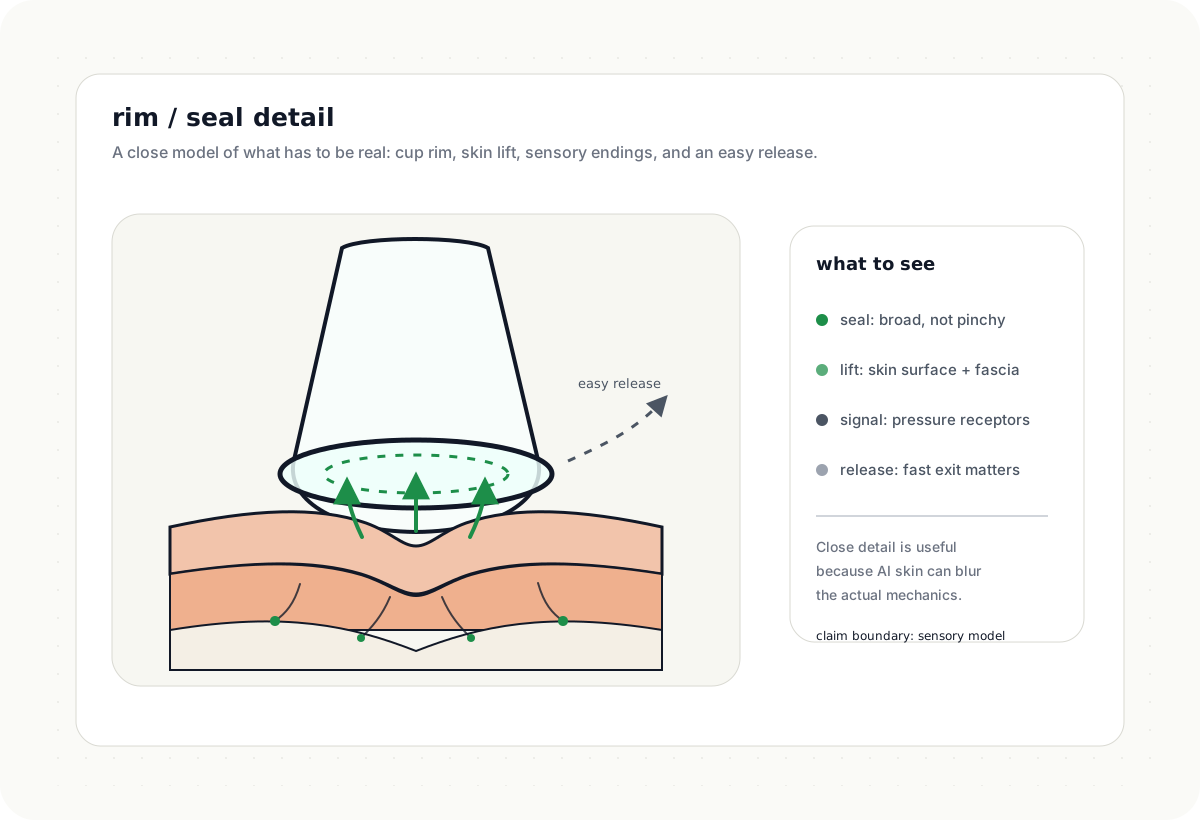
A closer view of the rim, lifted surface, dermis, fascia, and sensory endings. This is the detail source-style anatomy can make explicit.
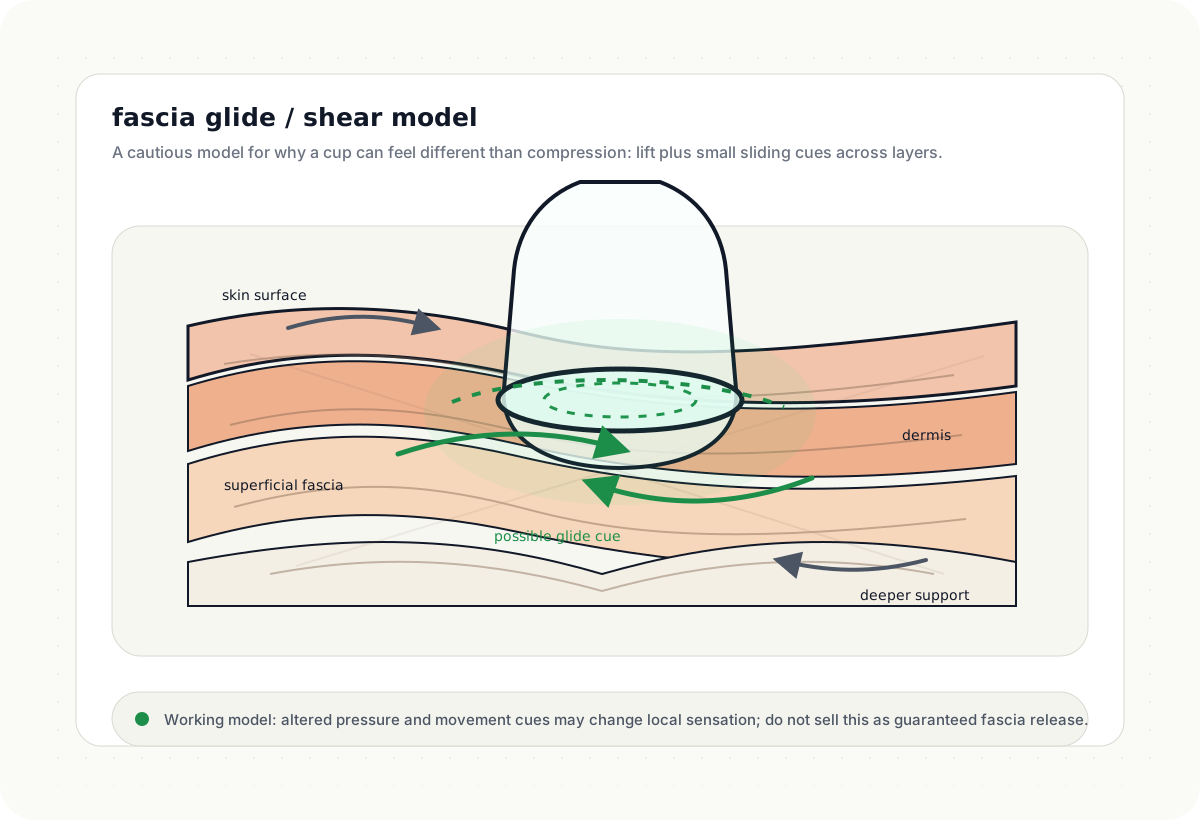
Shows a plausible slide-and-glide model across tissue layers while explicitly staying in model territory, not proof of fascial release.
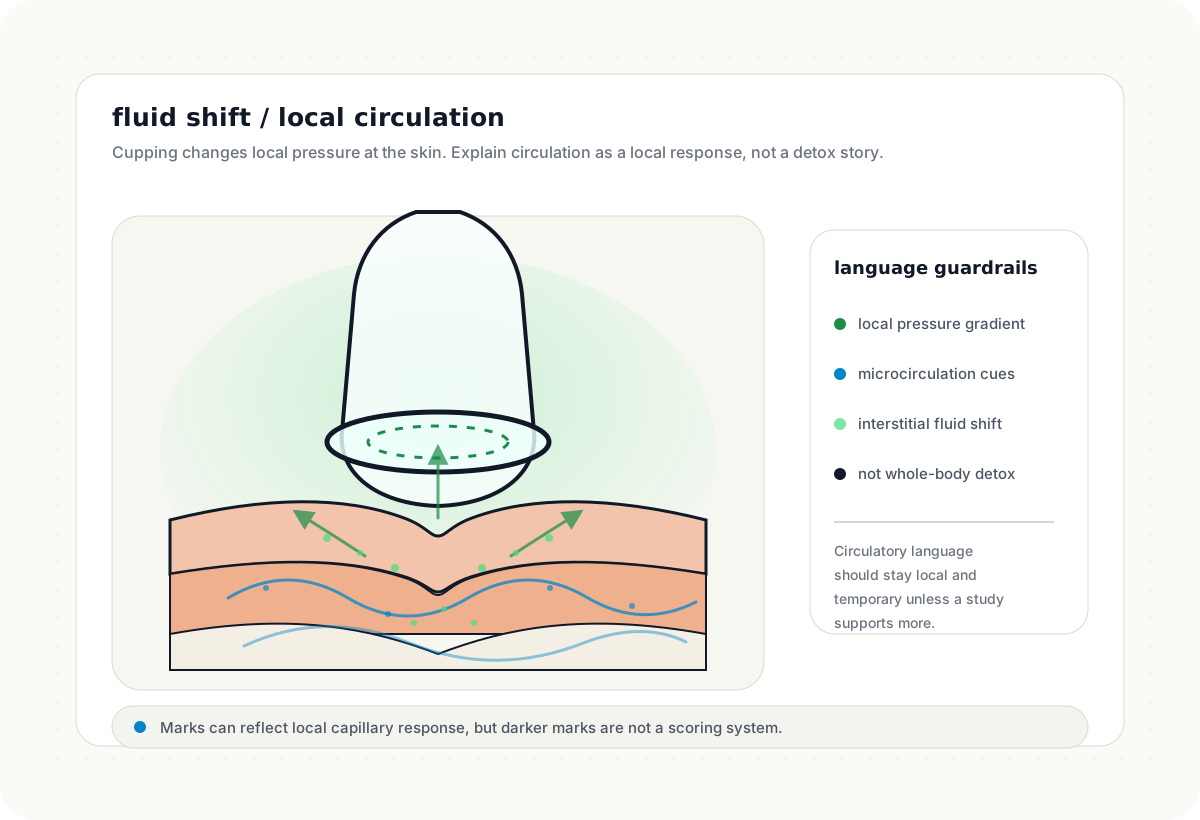
Maps local blood-flow and fluid-response cues without turning them into detox, cure, or darker-mark-is-better language.
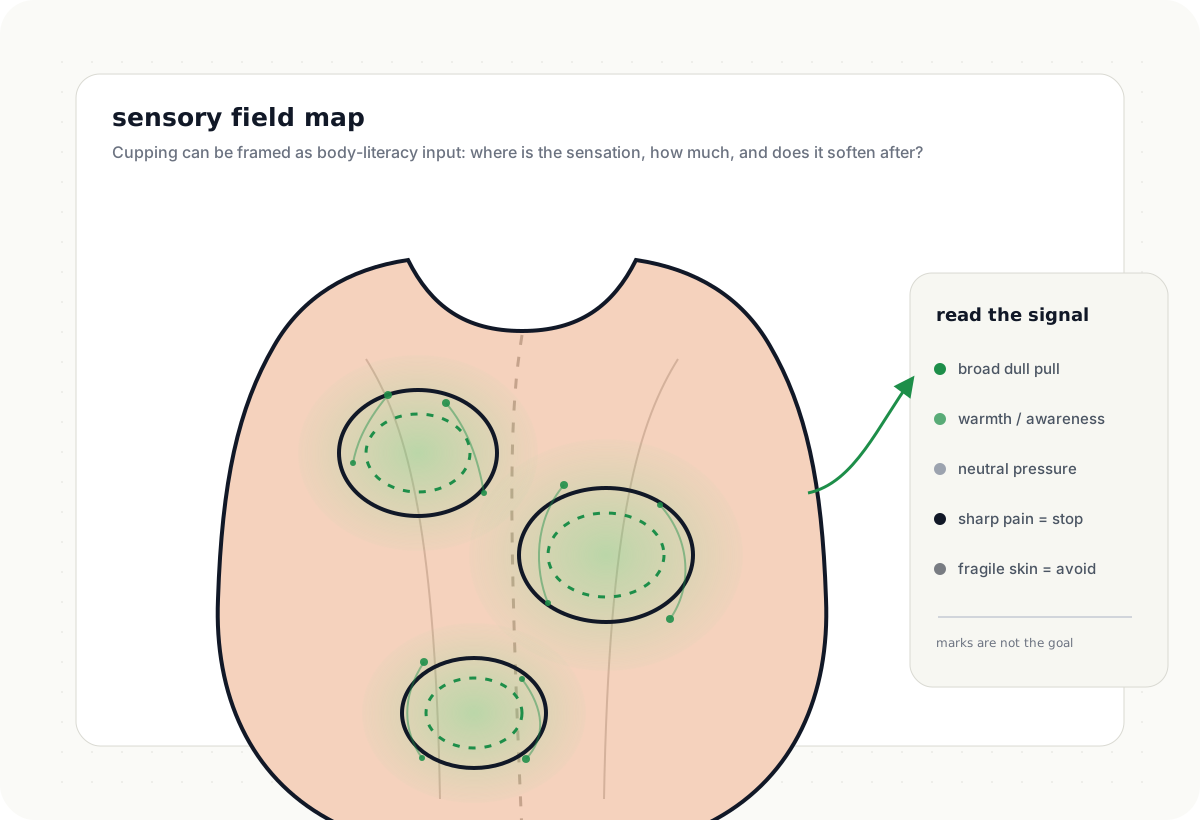
A body-map view for broad pull, warmth, awareness, and stop signals. It makes cupping about body literacy, not bruising-as-proof.
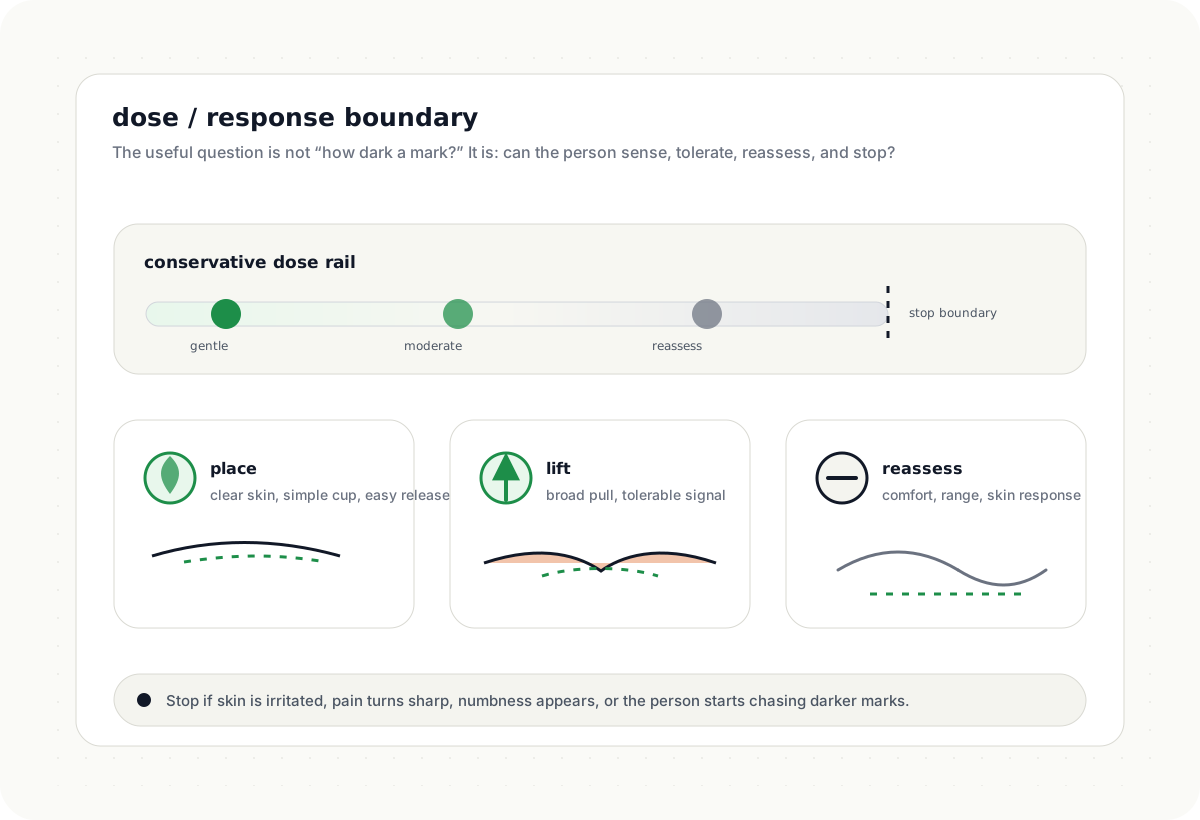
A conservative rail for place → lift → reassess. The boundary is sharp pain, irritated skin, numbness, fragile tissue, or chasing darker marks.
Cupping mechanically lifts the skin and subcutaneous connective tissue instead of compressing it. The useful frame is decompression and sensory input, not “pulling toxins.”
The interstitium is a practical way to talk about fluid-filled spaces within connective tissue. Cupping can be framed as a local pressure-gradient experiment, not a proof of systemic detox.
A cautious working model is improved slide-and-glide between tissue layers, local fluid movement, and changed mechanoreceptor input. Evidence is still developing, so claims should stay modest.
Suction can create visible local capillary and fluid-response changes. That belongs in the anatomy story, but darker marks should not be treated as better circulation or better results.
The slow lift of a cup creates a different kind of body signal than direct pressure. That can make cupping useful as a gentle awareness tool when dosed conservatively.
Marks can happen, but more discoloration does not mean more benefit. Gentle suction, short sessions, and avoiding irritated tissue are the safer starting point.
Research starting points for cautious claims. Study quality, protocols, and controls vary.
Across 18 randomized trials (n=1,172), cupping showed short-term pain and disability improvements versus no treatment, but not clearly versus sham cupping; evidence was limited by heterogeneity and bias risk.
In 50 people with chronic non-specific low back pain, adding pulsed vacuum therapy to core exercise improved pain, mobility, pressure-pain threshold, function, and quality of life versus exercise alone.
A small pilot study found immediate improvements in pain, lumbar flexion, straight-leg raise, and pressure-pain threshold after glass cupping, but the design was small and not definitive.
In 12 healthy participants, higher negative pressure (-300 mmHg) for 5 minutes produced larger peak skin blood-flow increases than -225 mmHg; longer duration did not simply mean better response.
In 12 healthy participants, 5 minutes of -300 mmHg cupping changed laser-Doppler blood-flow oscillation patterns; metabolic and cardiac controls contributed to the skin blood-flow increase, and cup size/intensity affected the metabolic response.
In 20 healthy volunteers, dry cupping changed near-infrared spectroscopy measures during a vascular-occlusion test, suggesting effects on oxygen extraction and microvascular reactivity; the authors still call for further studies across clinical conditions.