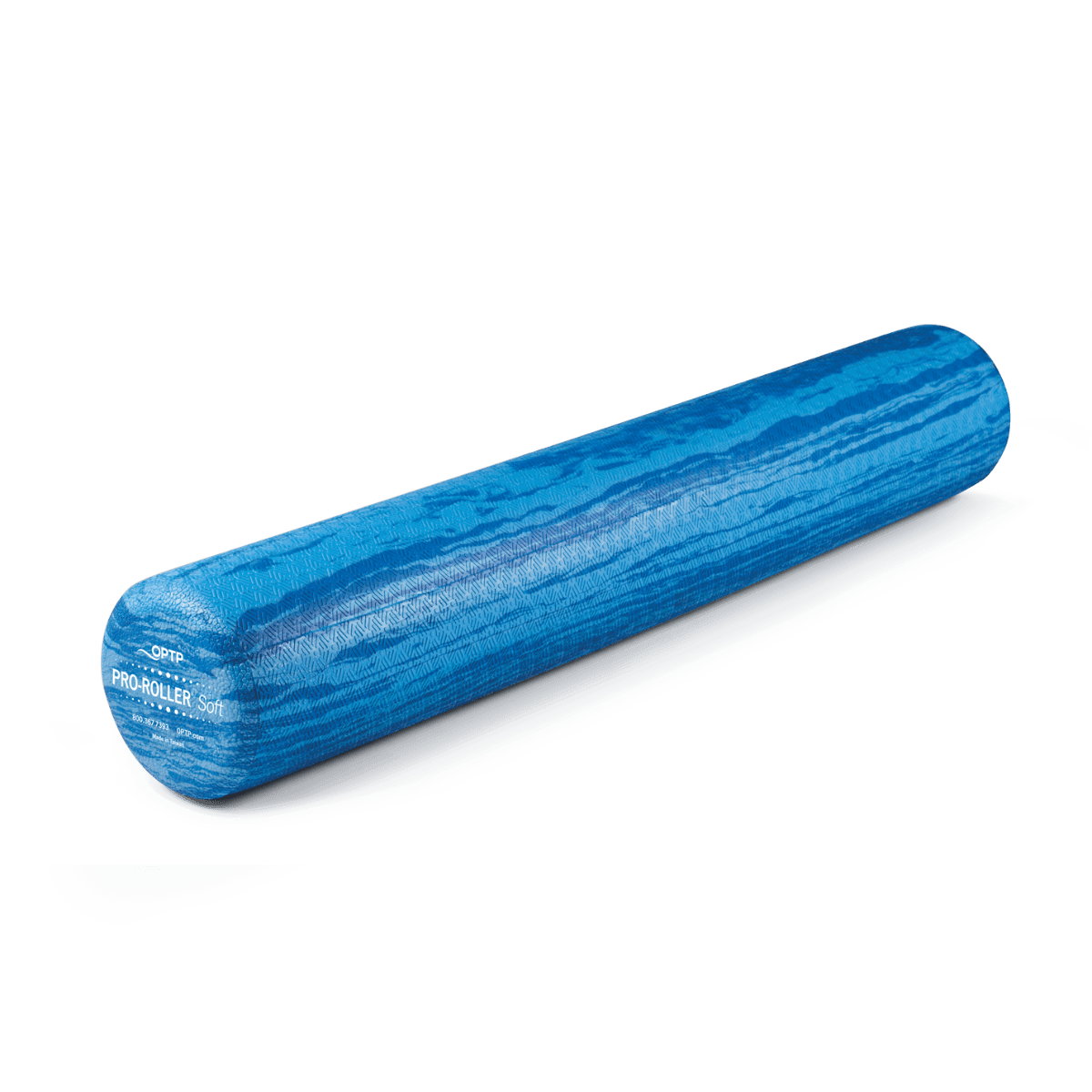
PRO-ROLLER Soft Foam Roller

OPTP

PRO-ROLLER Soft Foam Roller

$51

foam rollersoft densitybeginner friendlygentle pressure
View at OPTP →

External seller link. Confirm price, availability, and terms on the seller site.

Quick answer

This earns a live slot as the soft-density counterweight to firm and textured rollers. Present it as a minimum-effective, start-softer option, not as a recovery hack or special tissue-change device.

Decision rail

Fit snapshot

OPTP / Foam Rollers · PRO-ROLLER Soft Foam Roller

Not a rating. A buying boundary.

Use when

Beginners who want broad pressure without starting with a hard or textured roller

Start here if the fit problem matches your real use case.

Skip if

You want very firm pressure and already tolerate dense rollers well

A useful catalog should also tell you when not to buy.

Evidence posture

Moderate evidence posture

Claim details live below; do not read this as a cure or performance promise.

Buying context

$51 · reviewed Jun 2026

Compare the tool against simpler alternatives before paying for features.

This earns a live slot as the soft-density counterweight to firm and textured rollers. Present it as a minimum-effective, start-softer option, not as a recovery hack or special tissue-change device.

Compare retailers

Where this tool actually fits

Target area map for PRO-ROLLER Soft Foam Roller.

For browsing and safe-use context, not diagnosis. Start with common targets, treat caution zones as optional and gentler, and skip avoid zones.

Specs below

Surface map

Conservative zones, not anatomy precision.

category fallback

4

common

2

caution

3

avoid

Front

Chest, abdomen, quads, hip flexor side of the body.

3 cues
Quadscommon
Front neck / throatavoid
Abdomen / gutavoid

Back

Upper back, spine-adjacent tissues, glutes, hamstrings, calves.

5 cues
Upper thoracic backcommon
Glute / posterior hipcommon
Calvescommon
Low back / lumbar areacaution

Side

Outer hip, lateral thigh, side ribs, and other side-body areas.

1 cue
Lateral thighcaution

Plantar

Bottom of foot and sole contact only.

0 cues

No target cue listed for this surface.

The surface labels are intentionally coarse. They help decide whether this tool belongs near an area at all; they do not diagnose symptoms, prescribe treatment, or mark exact anatomical structures.

Common targets

Likely fit when pressure stays tolerable and the area is a broad muscle or simple contact surface.

Upper thoracic back

Back

A broad roller can provide tolerable pressure across the upper back when you avoid pressing directly on the spine.

Dose cue: Slow breathing, small range, and a quick movement retest beat long pain-chasing sets.

Glute / posterior hip

Back

Glutes and posterior hip are broad enough for roller pressure and easier to adjust with bodyweight.

Dose cue: Shift weight gradually rather than dropping full pressure onto one spot.

Quads

Front

Quads are a common rolling target because the contact is broad and easy to scale.

Dose cue: Keep the dose brief and reassess squat, lunge, or walking comfort afterward.

Calves

Back

Calves can use broad roller pressure when the response stays comfortable and non-neurological.

Dose cue: Avoid the Achilles tendon and behind the knee; use less bodyweight first.
Use caution

Smaller, sensitive, bony, nerve-rich, or easy-to-overdose areas. Start gentler or choose another tool.

Lateral thigh

Side

Lateral-thigh rolling can be intense and should not be framed as releasing or lengthening the IT band.

Try instead: Try glute, quad, or hip-control work before chasing lateral-thigh pain.

Low back / lumbar area

Back

Low-back rolling can provoke guarding. Use softer, supported positions and avoid direct spinal pressure.

Try instead: Use breathing, walking, gentle mobility, or a softer ball against the wall.

Avoid

Not a good self-massage target for this tool without qualified clinical guidance.

Direct spine

Back

Do not load the roller directly into the spine or bony processes.

Front neck / throat

Front

The neck front is not a roller target.

Abdomen / gut

Front

A firm cylinder is not a good self-applied abdominal pressure tool.

Claim boundary: Self-massage tools can provide pressure, sensory input, short-term comfort, and movement-awareness practice. They are not cures, tissue-repair devices, injury treatments, or substitutes for medical care, rehab, sleep, training changes, or progressive loading.

Stop rule: Stop if pressure causes sharp pain, numbness, tingling, spreading symptoms, dizziness, unusual swelling, skin irritation, discoloration, or worse movement afterward.

Product sensation scale

PRO-ROLLER Soft Foam Roller pressure dose

usual target

Orient

Light contact, breathing, and body-map attention before adding intensity.

map first

Useful input

Clear sensation that still lets you breathe, relax, and retest movement.

retest after

Strong dose

Brief, specific, and optional. Do not make pain-chasing the default setting.

short only

Back off

Numbness, guarding, sharp pain, swelling, or worse motion means stop and reassess.

stop / reassess

Dose by breath and retest, not by pain. This is a sensation map for self-maintenance tools, not treatment advice.

Measurement check

What these specs change.

Use the known numbers and missing readings to decide fit, pressure dose, and transition demand before buying.

How to use these measurements

Use this to judge pressure dose before buying.

PRO-ROLLER Soft Foam Roller is being evaluated for how it delivers pressure: contact width, material hardness, and whether the intensity can stay breathable.

Buying decision:Choose this kind of tool if firm pressure still lets you breathe and retest movement. Skip it if the useful sensation quickly turns into guarding, numbness, or pain chasing.

What we know

Diameter: 6 in

Diameter and contact area change whether pressure feels broad and manageable or narrow and intense.

Still needed

Foam/contact hardness

Foam/contact hardness is still unpublished, so it needs the right durometer or compression test instead of repeating “high density” copy.

diameter

Diameter

6 in

brand spec

narrowbroad

Method: Selected OPTP size option lists the full round variant as 36" x 6".

The 6-inch diameter gives a broad contact arc compared with small balls or narrow rollers.

Source: OPTP product page

length

Length

36 in

brand spec

Method: Selected OPTP size option lists the full round variant as 36" x 6".

Full-length rollers are better for broad upper-back positions and two-limb setups, but less portable.

Source: OPTP product page

density

Contact density

soft

brand spec

Method: Brand product page describes soft-density EVA foam; no independent durometer or compression test has been performed.

Soft contact can make pressure easier to dose, but it is not medical clearance.

Source: OPTP product page

shore durometer

Foam/contact hardness

Not captured yet

WBC bench task

Next measurement: Use a foam-appropriate durometer or controlled compression comparison if physically sampled.

This is the missing spec that would turn 'soft' from a brand descriptor into a comparable WBC measurement.

contact area

Contact patch / diameter

Not captured yet

WBC bench task

Next measurement: Record diameter or contact patch under light bodyweight so pressure dose is visible.

Small contact areas concentrate pressure; broad rollers distribute it.

Editorial take

Who this is really for

Evidence: ModerateReviewed: Jun 2026

Foam rolling has some evidence for short-term range-of-motion and perceived soreness changes, but product-specific claims should stay modest. This roller is primarily about dose control: softer contact may help users stay below the threshold where pressure becomes bracing or counterproductive.

This earns a live slot as the soft-density counterweight to firm and textured rollers. Present it as a minimum-effective, start-softer option, not as a recovery hack or special tissue-change device.

Best for

  • Beginners who want broad pressure without starting with a hard or textured roller
  • People using rolling for downshifting, body mapping, or gentle movement prep rather than intensity
  • Readers who find high-density rollers too sharp for calves, quads, upper back, or tender areas

Avoid if

  • You want very firm pressure and already tolerate dense rollers well
  • You need a compact travel roller rather than a home/practice-space tool
  • You expect a roller to address persistent pain instead of using it as one small pressure input

Pros

  • Softer compression makes dosage easier for many first-time users
  • Plain surface keeps attention on pressure tolerance rather than texture gimmicks
  • Official product data provides clear variant, price, and image facts for review

Cons

  • May feel too gentle for users seeking high pressure
  • Multiple variants require careful size selection before buying
  • Therapy-oriented product language needs WBC claim discipline

Where to Buy

OPTPPrimary Source

Used, handmade & local

Marketplace links refresh through WBC's used-market endpoint, but listings are still external search pages — not endorsements.

API fallback

Marketplace caveat

  • Marketplace results are live search pages, not WBC endorsements. Verify condition, returns, shipping, and whether the listing is the actual item rather than accessories.

About

Soft-density EVA foam roller from OPTP. It gives WBC a gentler alternative to high-density rollers for pressure, sensation, and short movement-prep or downshift sessions, especially when firmer tools make people brace.

Highlights

  • 36" x 6" selected variant
  • Soft-density EVA foam
  • Available in multiple sizes
  • Plain, non-textured surface

What People Say

A useful start-softer pick: not the cheapest roller, but easier to dose than high-density or textured cylinders for sensitive users.

Specs

Category
Foam Rollers
Updated
Jun 2026

Frequently Asked Questions

Does PRO-ROLLER Soft Foam Roller break up fascia?

No foam roller should be framed as literally breaking up fascia. A better explanation is that PRO-ROLLER Soft Foam Roller can provide pressure, sensory input, and short-term changes in perceived stiffness or range of motion. Treat it as a practice aid, not a tissue-melting tool.

How should you use PRO-ROLLER Soft Foam Roller?

Start with short, tolerable doses: slow breathing, light-to-moderate pressure, and a small area at a time. Stop chasing pain or dramatic intensity. The useful question is whether movement, comfort, or body awareness improves afterward.

When should you skip PRO-ROLLER Soft Foam Roller?

Skip hard foam rolling over acute injuries, unexplained swelling, numb areas, irritated skin, or pain that worsens with pressure. If symptoms are sharp, spreading, or persistent, get an appropriate clinical assessment rather than pushing harder on the tool.

Who is PRO-ROLLER Soft Foam Roller best for?

PRO-ROLLER Soft Foam Roller is best for beginners who want broad pressure without starting with a hard or textured roller; people using rolling for downshifting, body mapping, or gentle movement prep rather than intensity; readers who find high-density rollers too sharp for calves, quads, upper back, or tender areas. Use that as a fit signal, not a promise that the tool will solve the problem by itself.

Who should avoid PRO-ROLLER Soft Foam Roller?

Consider skipping PRO-ROLLER Soft Foam Roller if you want very firm pressure and already tolerate dense rollers well; you need a compact travel roller rather than a home/practice-space tool; you expect a roller to address persistent pain instead of using it as one small pressure input. A simpler, cheaper, or lower-intensity option may be better if the use case is not clear.

What does the evidence say about foam rollers like PRO-ROLLER Soft Foam Roller?

Foam rolling has some evidence for short-term range-of-motion and perceived soreness changes, but product-specific claims should stay modest. This roller is primarily about dose control: softer contact may help users stay below the threshold where pressure becomes bracing or counterproductive.